Psychology and Sociology specialist across IGCSE, A-Level and IB
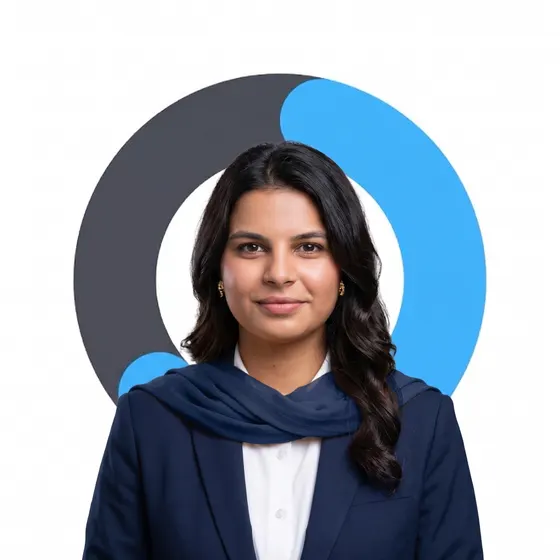
Sophia Abid is a clinical psychologist who teaches. 10 years in, she still brings case material from practice into her lessons, which is why abstract theory tends to land quickly:…
Every tutor we list holds a psychology degree and knows the new Cambridge 0266 papers. Trial lessons cost AED 20 to 60. After that, live lessons target weak topics and parents get weekly notes.
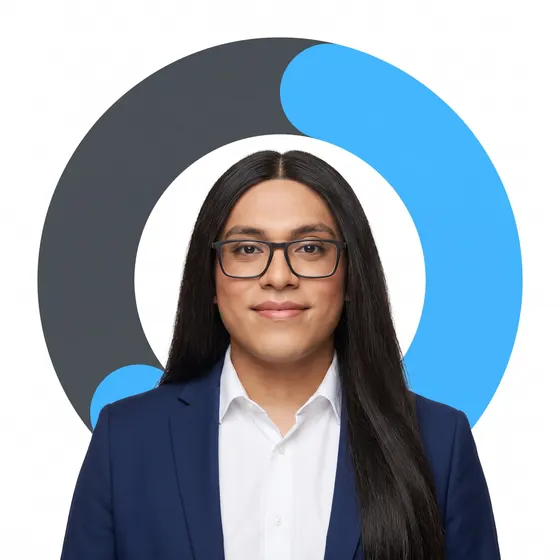
Reviewed by Sophia Abid, Clinical psychologist with an MSc in Clinical Psychology and 10 years of teaching
Checked against the Cambridge IGCSE Psychology 0266 syllabus for exams in 2027 to 2029.
Psychology rewards students who can use what they know, not just repeat it. Each live lesson is built around that skill and around your child's weakest topics.
Cambridge IGCSE Psychology, syllabus 0266, is a new course for students aged 14 to 16, with exams from 2027. It covers memory, sleep, helping behaviour, perception, motivation and language, plus research methods, and leads on to AS and A Level Psychology.
According to Cambridge's 0266 syllabus, about 51% of the marks reward application. That means using psychology to explain new situations. Knowledge is worth 33% and evaluation 16%. There are no tiers, so every student sits two papers graded A* to G.
Marks slip away when students define key terms loosely, forget a named study's conclusion or plan an experiment with no controls. Each paper's 8-mark question also needs an argument for and against. Working one to one, a tutor catches these gaps early.
Of the marks reward applying psychology to new scenarios, says the syllabus.
Named studies to learn, three for each of the six main topics.
Marks available in total over Papers 1 and 2, both written exams.
The sessions are really interactive, questions- oriented preperation for IGCSE Exam. They respond well on any concern.
The teachers are great and helpful, and if you have any issues with the teachers you can talk to the team and find another one who suits your learning style… a great service if you wish to prepare for your board exams.
Nice interactive classes, Great support from the teacher especially when it comes to last minute doubts right before "the night of the exam".
Nobody picks a tier in 0266: all candidates take Papers 1 and 2. Both mix three topic sections with a research methods section, so lessons cover both kinds of question.
Short answers on memory and forgetting, sleep and dreams, and prosocial behaviour. Each theory is paired with its named study, and definitions are drilled until exact.
Variables, designs, sampling, ethics and data, plus a 4 to 6 mark question on planning an experiment. Your tutor rehearses that plan until the structure feels automatic.
Short answers on visual perception, motivation and needs, and language development. Your tutor practises applying Gibson, Gregory, Hull and Piaget to everyday examples.
Questions on non-experimental methods, sampling, validity, reliability and ethics. Your tutor uses short invented studies so your child can judge each method quickly.
One topic section on each paper carries an 8-mark question using arguments for and against a theory. Your tutor marks full answers and shows what lifts them.
Most questions describe a situation your child has never met. Lessons train one habit: name the theory, then link it to the clues in the question.
Tell us the exam year and which topics or research methods your child finds hardest so far.
We match a psychology graduate who teaches the Cambridge 0266 course and suits your child's timetable.
Your child tries one lesson for AED 20 to 60, then you choose whether to book more.
Lessons settle into a weekly routine aimed at your child's gaps. Should the pairing feel off later, request a free re-match.
Many students start Psychology with a textbook or a recorded video course. This table compares those routes with live tutoring on marked scenario answers, experiment planning and help when a topic stops making sense.
| Feature | IGCSE Tutors Live, one to one | Textbook study Reading and notes alone | Video course Pre-recorded lessons |
|---|---|---|---|
| Scenario answers marked by a person | Not usually | ||
| Feedback on 8-mark answers | Every week | Not usually | |
| Help planning an experiment | Hard to check alone | Shown, rarely checked | |
| Order set by your child's gaps | Fixed running order | ||
| Someone to ask when stuck | Often limited | ||
| Lessons you can replay |
Only a handful of applicants get through: fewer than 2 in 100. Our Psychology tutors were each interviewed on the subject and gave a mock lesson. All four listed hold psychology degrees.
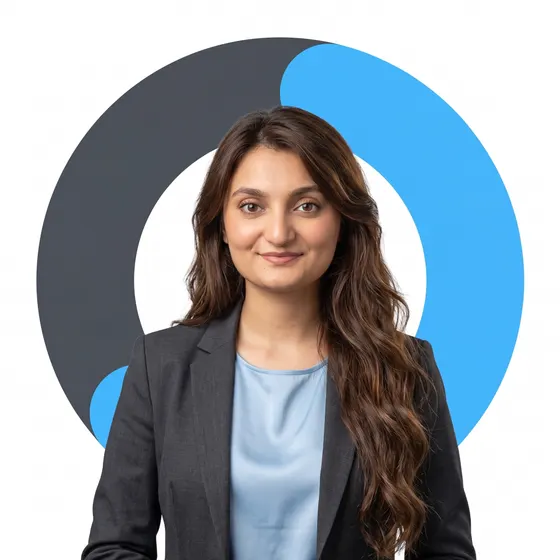
Sophia Abid is a clinical psychologist who teaches. 10 years in, she still brings case material from practice into her lessons, which is why abstract theory tends to land quickly:…
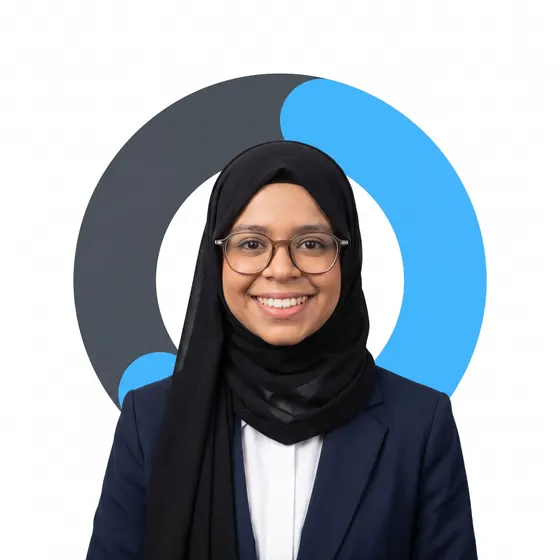
Maryam Saeed came to teaching from clinical psychology, and it shows in how she runs a session. She reads the student as carefully as the syllabus, noticing when a wrong…
Aruba Ghaffar is a qualified psychology professional who moved into teaching after several years of clinical practice. Her first degree was followed by a Master's in Clinical Psychology, and placements…
Laiba Nadeem Khan graduated with a 3.83 GPA and Dean's List recognition, and she teaches the way strong students study: diagnose the gap, build the structure, then test it. Dense…
Your tutor covers every heading below. The hardest topics for your child come first, and research methods return in each week's lessons.
Lessons run on a whiteboard that tutor and student both write on, live. Every saved recording is then looked over by our academic team, keeping standards steady all year.
A brief Psychology update lands in your inbox weekly. Each month, a longer report sums up progress. You are also told when your child skips a session or homework.
Quick answers on starting out, named studies, practice material, boards and fees.
No. Cambridge does not expect learners to have studied psychology before. A broad lower secondary curriculum is enough, and your tutor starts with key terms such as encoding, variables and validity.
Three for each of the six topics, so 18 in total. Students need each study's results and conclusion to back up a theory, but not its strengths and weaknesses. Your tutor drills these with flashcards.
Because 0266 is first examined in 2027, there are no past papers yet. Your tutor works from Cambridge's specimen papers and mark schemes, plus fresh scenario questions written in the same style.
No, Pearson Edexcel does not offer one. OxfordAQA runs its own International GCSE, 9218, with two papers. Our listed Psychology tutors teach the Cambridge course, so name your exam board in the enquiry form.
Cambridge says students with grades A* to C are well prepared for courses such as AS and A Level Psychology. Skills in research methods, data and ethics also support science and social science subjects.
Each tutor sets an hourly fee, beginning at AED 50. A trial costs AED 20 to 60. Settle up for single sessions or buy several at once. There is never a lock-in.
Psychology students often also take Sociology, Biology or an English course. Pick a subject to see the tutors who teach it.
Tell us a little about your child, and a psychology graduate is matched within 24 hours. One trial lesson, at AED 20 to 60, shows whether it works.